Muzika e Gitkin mund te pershkruhet si nje bashkim i zhanreve te ndryshme, duke perzier elemente te muzikes globale (world-music), tingujve vintage dhe ritmeve eklektike. Kompozimet e tij marrin frymezim nga tradita te ndryshme muzikore, duke perfshire afro-beat, latino, funk, soul, xhaz dhe ndikimet psikedelike.
Nje nga karakteristikat percaktuese te muzikes se Gitkin eshte perdorimi i tij i mencur i instrumenteve vintage dhe teknikave te regjistrimit, te cilat u japin kengeve te tij nje tingull nostalgjik dhe te ngrohte qe te kujton regjistrimet klasike nga e kaluara. Instrumentimi ne muziken e Gitkin eshte shpesh i pasur dhe i larmishem, duke perfshire nje sere instrumentesh si kitare, kitare bas, bateri, perkusion dhe bori, duke krijuar nje pervoje sonike vibrante dhe gjithe-perfshirese. Loja e tij ne kitare eshte veçanerisht e rendesishme, e karakterizuar nga melodi te nderlikuara, hove ritmike dhe improvizime ekspresive.
Muzika e Gitkin eshte e njohur per ritmet e shtruara, groovy dhe infektive, duke e bere ate te pershtatshme si per degjimin e vemendshem ashtu edhe si sfond per ambiente te ndryshme, si xhirimi i nje skene filmi, relaksimi ne shtepi, shijimi i nje pasditeje vere, apo diktimi i humorit ne ndonje tubim social. Ne pergjithesi, muzika e Gitkin ofron nje perzierje unike dhe magjepsese te ndikimeve world-music (globale) dhe tingujve vintage, duke krijuar nje udhetim sonik qe rezonon me adhuruesit e stileve te ndryshme muzikore dhe prejardhjeve kulturore.
Ka edhe keshtu. Per kater vjet, nga viti 2010, mbyllet pashpjegueshmerisht e regjistron kaseta (po po, kaseta me shirit) dhe me pas publikon gjithcka ne vinil Black Mill Tapes Volume 1-4 (2014).
Profil ky rrethuar me pak mister e pak fjale (meqe dihet fuqia e ketyre te fundit kur abuzohet), luan muzike retro-futuriste, me nje nur vintage e tastiera te markave te panjohura. Elektronike me caqe post-punk-u, qetesi e spraj me ngjyra valesh oqeani ne kohe me ere. Maniak i tingullit dhe e merr seriozisht punen e terminologjise (saqe e konsideron veten si nje Kryetekniku - Head Technician).
Abstraksioni ze vend ne rresht te pare ne paraden e ndikimeve dhe perceptimeve te PCA: aroma nostalgjike, klasicizem, sygjerime atmosferash nga Vangelis, kolona zanore gjoja-Blade Runner (per tu degjuar "Sleep Games"), sikur i feshkellejne Boards of Canada dhe Giorgio Moroder (ne fillimet e tij ky) etj etj.
"Electronic Rhythm Number..." dhe nje numer te plote ne fund; keshtu titullohen shumica e ketyre audio-koncepteve.
Bote e qete dhe dashuri e ngadalshme. Per tu shtangur perballe nje monitori jo-HD perpara se te ri-realizoheshin efektet slow-motion!
Impulse sporadike per te kercyer perhumbur duke u shprehur ne nje body language individual.
E megjithate mbetet i spikatur "udhetimi", sikur ne mungese te gravitetit nuk ka destinacion, por shperndahet si grimca pluhuri ne erresire.
Ne fakt ka ca vite qe artiste te shumte cementojne rryma popullore (fandango, chica peruviane, cumbia, kante ish-sovjetike, valse gjermanike, balada nordike) ne nje menyre gati ironike, ngjitese ku filtrojne ritme afro-latine, zakonisht amerikano-jugore, me atmosfera ekzotike e me muzike surf psikedelik, elektro-swing, dub oriental, elektronike vintage (varet nga tradita e nga tendencat aktuale te nenkultutave te qytetit) etj etj...
Emrat nuk mbarojne, por nje nga producentet me te njohur ne kete sfere eshte gjermani Uwe Schmidt (ai i projektit Atom TM; aktiv qe nga vitet '90) fale te cilit njohim sot: Chicha Libre, Senor Coconut, Igor Vdovin, Messer Für Frau Müller (si psh: albumi Cafè Sputnik - Electronic Exotica From Russia, 2005)...
Termi qe vjen ne mendje eshte 'Retrofuturizem' - thirrje per rivizitim te tingujve te bukur, te kaluar tashme, por me nje kod te ri sot, perfshires dhe ne trasformim e siper (merrni Nicolas Jaar dhe romanticitetin qe mbart nga Kili!).
Rivizitimi per te cilin flas nuk ka kufij; nga shijet personale te formimit adoleshencial (ritme familjare, latino, ballkanike... qe degjoje ne magnetofonin e shtepise ose te detyruar nga prinder qejfli! - nuk kishin te gjithe kufje atehere!), muzika klasike romantike (austriake e gjermane), minimalizmi (Erik Satie, Richard Wagner...), regjistrime nga filma bardhe e zi kult (kinematografia italiane, franceze e sidomos ruse), kolona zanore te festave ne lulishte (stacione radio te huaja ne long-wave), muzika ne sfond kur gatuhej per ndonje mik te dashur, cudia ne vitet '90 perpara kanale te reja ne TV...
Retrofuturista ne kuptimin qe albume e koleksione muzikore qe kane mbeshtetjen e etiketave te pavarura sot (Eastblok Music - Real Sounds of Eastern Europe), por qe ne tingull duken komplet dicka tjeter; sikur jane shirite filmash per tu hedhur ne hapesiren pa gravitet, ritme te kercyeshme hipnotike, riff-e kitaresh te sternjohura, por me ekzekutim te huaj per veshin, shtresa elektronike (synth, moog, software dixhitale te panumert) qe mbeshtjellin, me dashje zhubra-zhubra, bazen primare te kenges, zera te miksuar, cut-and-paste si te ishte qendisje nga nje i/e dehur...
'Retro' sepse nuk eshte ai alt-pop i rafinuar, donwtempo, trip-hop, d'n'b apo IDM (intelligent dance music), por (kjo fije e shtrenjte) qendron besueshmerisht me shume memorie nga e kaluara (pa date!), por me levizje te trupit nga e ardhmja. Dhe me syte e qeshur si te ishte realizim i perplote personal! Muzikalisht, e kuptojne vetem ata tridhjetevjecare qe kane pertypur (ne menyre te mjaftueshme) materie te mirefillte...
"What you hear feels like a dislocated dream ride through the pungent soundscape of night-time Sofia."
Kottarashky (Nikola Gruev) is a 21st century digital master musician with his hands sunk deep in the past; vintage Balkan field recordings, classic jazz and blues, psychedelic sounds, club beats and extraordinary, archetypal Gypsy voices, guttural shouts and lyrical laments are all molded and thrown into new shapes.
The songs of his debut album Opa Hey! (2009) sound like tales told by a people who have all the time in the world: time to contemplate, enjoy, engage and dream; to take pleasure in unexpected twists and turns; to be inspired by the details and vividness of marginal existence.
The music on Opa Hey! is completely constructed from samples. Quite
impressive as the result sounds like a fine mixture of balkan music,
gypsy jazz and club beats.
Kottarashky is an architect by vocation, which perhaps explains the palpable sense of place in his music. Summer trips to small villages and the marginal regions of Bulgaria were key source of inspiration for the album, and his music samples a broad palette of sources and influences - enigmatic field recordings by artists unknown alongside Boris Kovac, Les Yeux Noir, Fanfare Ciocarlia, Jony Iliev and compelling Hungarian singer Mitsou.
The resulting digital pick-and-mix hits you like a panoramic puzzle of sounds collected and put together from a night’s walk through the streets of Sofia.
It is an ethno-music born of a city lacking cultural identity that is torn between contemporary European globalism, Balkan provincialism and a living if largely forgotten folk tradition. It’s a music inspired by that environment but also in reaction to it, a journey down roads less travelled, through the Bulgarian backwoods and back via the laptop to the 21st century.
Lekar Hum Deewaanaa Dil Firate Hain Manjil Manjil
Kahee To Pyaare, Kisee Kinaare, Mil Jaao Tum Andhere Ujaale
Jis Galee Ke Tum Us Galee Ke Hum Par Ye Majabooreeyaa Yahaa
Tum Yahee Kahee, Hum Yahee Kahee, Fir Bhee Ye Dooriyaa Yahaa
Waah Ree Duniyaan, Duniyaan Tere Jalawe Hain Niraale
Too Kahee Rahe, Yoo Lage Muze, Mere Dil Ke Paas Hain Yahaa
Maangoo Teree Khair, Aa Tere Bagair, Dil Meraa Udaas Hain Yahaa
Aajaa Hum Ko Seene Se Lagaa Le
Bollywood music has been loved in the West for the way it Cuisinarts different styles together, mixing and matching like crazy in the same song. This extensive collection places a great emphasis on that side of the music, which makes for an easy introduction to the myriad styles that have made up Bollywood over the last 50 years.
There’s plenty of music from the’70s (one whole disc is devoted to it, plus part of another), which was a golden era for Bollywood, and the development of the music – which comes from the soundtracks of the gloriously successful Bollywood films – is well laid out here, both by example, and in the excellent booklet. While some might feel too much emphasis has been placed on the eclectic side of the music, that’s the big drawing card, as composers and arrangers constantly seek new things. The "playback singers”, as Bollywood vocalists are called, are, along with the composers, the real stars, and the big names all get an airing.
While more space could have been devoted to the '50s and '60s, and the '80s and '90s, which have seen such a rich development in the form with composers like A.R. Rahman showing the full possibilities of Bollywood music, greater exposure would have been nice.
But with just three CDs on which to try and capture the madness and the melody, the compilers have done an excellent job of putting together this beginner’s guide.
---
ps: For a taste of the atmosphere, clickGUMNAAM (1965)
The French Touch Connection is back with Microsillon.
This album is inspired by old French music titles but not only. This is a tribute to old vinyls, France and worldwide.
This is a real connection between all the artists and people listening to us around the world.
Each brings its knowledge and culture for a single project.
Again, many nationalties are represented.
The artists of Argentina, Greece, England, Canada, France, Germany, United States, Belgium and Switzerland came to connect each other. All with a different style, so we can find the atmosphere of old dusty vinyl, forgotten in our cellars.
Images include:
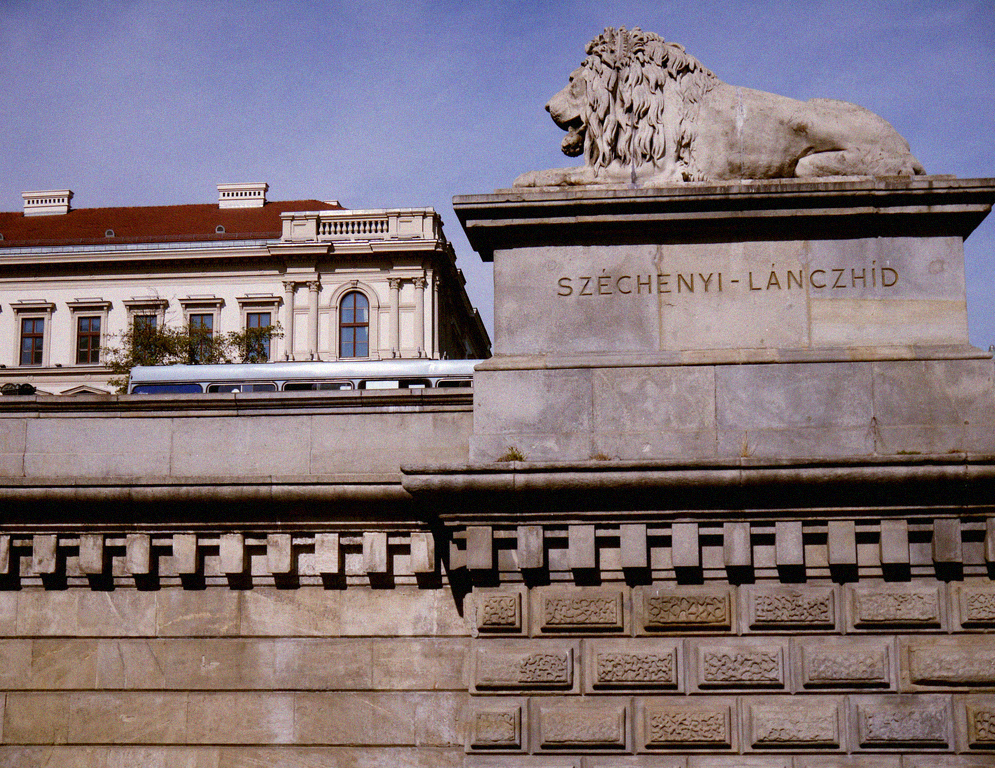
Buda Castle, The House Of Parliament, Hungarian Art Nouveau Museum, Applied Art Museum, Corvin, Szent István-bazilika, Gellert Bath, Citadella, Andrassy Ut, Heroes Square, Magyar Nemzeti Muzeum, The statue 'Anonymous', Elisabeth Bridge, RetRock shop
Ruin pubs:
Szimplakert, Mika Tivadar, Lokal, Instant, Puder, Fogas-Haz